AR Games: The Next Frontier of Mobile Entertainment
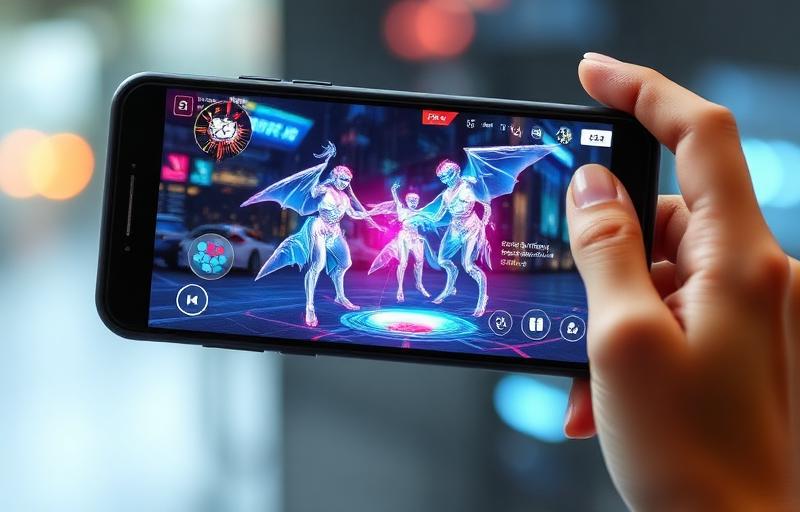
Augmented reality gaming has come a long way since Pokémon GO introduced millions to the concept. In 2025, AR games are leveraging advanced LiDAR sensors, improved GPS accuracy, and cloud computing to create experiences that were unimaginable just a few years ago.
Leading the charge is 'Reality Clash 2.0,' a persistent AR world where players can see and interact with digital elements overlaid on their real environment. The game uses advanced mesh mapping to make virtual objects interact convincingly with real-world surfaces.
Canadian developer MapleTech Studios has gained international attention with 'Northern Spirits,' an AR adventure game set against iconic Canadian landscapes. Players use their phones to discover mythological creatures hidden in parks, forests, and urban spaces.
The technology behind AR games is advancing rapidly. Apple's latest ARKit and Google's ARCore now support multi-user shared experiences, enabling genuinely social AR gaming without special hardware.
Health and fitness AR games have found a particularly enthusiastic audience. 'Quest Run' and 'Dragon Stride' gamify exercise by turning neighbourhood jogs into epic adventures, with Canadian users logging an average of 15,000 steps per gaming session.
As wearable AR devices like smart glasses become more accessible, the boundary between gaming and daily life will continue to blur, creating opportunities for entirely new categories of mobile entertainment.